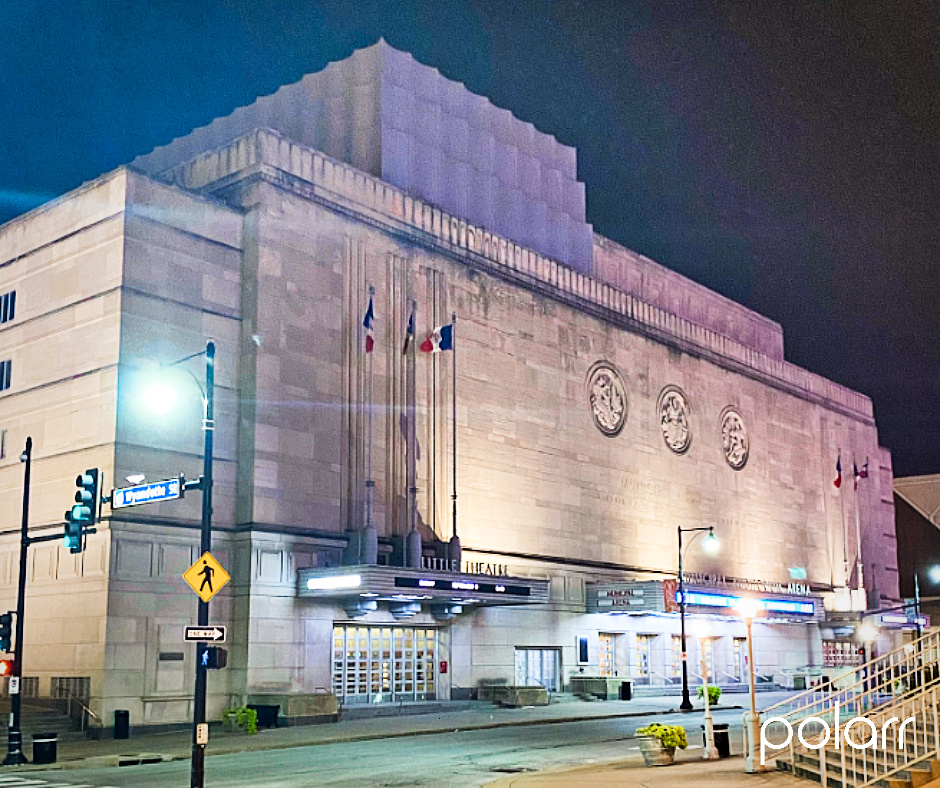
The Historic Kansas City Music Hall: A Streamline Moderne Marvel
In the heart of Kansas City, Missouri, stands a monument not just to performing arts, but to an era of ambition, design innovation, and civic pride: the Kansas City Music Hall. More than just a venue, it's a living piece of history, an architectural triumph that continues to captivate audiences with its blend of Streamline Moderne and Art Deco grandeur. From its inception as a beacon of hope during the Great Depression to its current status as a premier destination for touring Broadway shows and theatrical spectacles, the Kansas City Music Hall embodies the enduring spirit of its vibrant city. It’s a place where every visit offers a journey back in time, while simultaneously delivering world-class, contemporary entertainment that draws crowds from across Missouri and beyond.
A Vision Forged in Crisis: Kansas City's "Ten-Year Plan"
The story of the Kansas City Music Hall begins in 1931, amidst the profound economic despair of the Great Depression. While many cities scaled back, Kansas City dared to dream bigger, embarking on an ambitious public works initiative known as the "Ten-Year Plan." This visionary bond program, championed by the Civic Improvement Committee under Conrad H. Mann and strongly supported by local politicians like Thomas Pendergast, passed with an overwhelming 4-to-1 margin. It was a bold statement, not just of civic ambition but also of economic stimulus, providing crucial patronage opportunities when they were most desperately needed.
The Municipal Auditorium, housing the magnificent Music Hall, was the cornerstone of this monumental plan. It wasn't alone; other iconic structures like the Kansas City City Hall and the Kansas City branch of the Jackson County Courthouse also rose from this same initiative, collectively reshaping the city's skyline and public infrastructure. The Municipal Auditorium itself replaced the older Convention Hall, which once stood directly across the street and was ultimately cleared to create what is now the scenic Barney Allis Plaza – a testament to thoughtful urban planning.
An Architectural Gem: The Streamline Moderne and Art Deco Legacy
The design of the Kansas City Music Hall is a spectacular fusion of Streamline Moderne and Art Deco, two styles that defined the optimism and technological aspirations of the early 20th century. The lead architectural firm, Alonzo H. Gentry, Voskamp & Neville, meticulously crafted this masterpiece. Homer F. Neville served as the lead designer for the Municipal Auditorium, imbuing it with a sense of fluid motion and elegant power characteristic of Streamline Moderne, while incorporating the geometric precision and lavish ornamentation of Art Deco.
Alonzo H. Gentry's remarkable talent extended beyond this project; he later completed the design of the Harry S. Truman Presidential Library and Museum, further cementing his legacy in Kansas City's architectural landscape. Beyond the aesthetic brilliance, the functional integrity of such a massive structure was paramount. Associated architects Hoit, Price & Barnes were responsible for the complex mechanical work, encompassing HVAC, electrical, and plumbing systems—critical components that ensure comfort and functionality for thousands of visitors. William L. Cassell directed this intricate design effort, going on to establish his own successful firm, W. L. Cassell & Associates, Inc., in 1933, which continues its legacy of engineering excellence today.
The result is a building that feels both monumental and inviting. The smooth curves, polished surfaces, and industrial-chic materials of Streamline Moderne blend seamlessly with the intricate patterns, rich details, and luxurious finishes of Art Deco, creating an interior and exterior that are equally captivating. For those eager to delve deeper into its design philosophy and discover specific stylistic elements, explore Discover the Art Deco Legacy of Kansas City Music Hall.
Designed for Grandeur: The Kansas City Music Hall Experience
Stepping inside the Kansas City Music Hall is an experience in itself. Opened in 1936, this unique Art Deco theater was purpose-built for grand presentations, general sessions, and headline entertainment. It operates as a totally self-contained venue, ensuring a seamless experience for guests with its own lighted marquee, dedicated box office, main entrance, convenient coat check, ample restrooms, and well-appointed concessions.
The heart of the Music Hall’s interior is its spectacular 3,600-square-foot foyer, dominated by a magnificent grand staircase that sweeps visitors up to the various seating levels. The total seating capacity of 2,363 is thoughtfully distributed: the Orchestra level seats 1,185, offering an intimate connection with the stage; the Loge and Box seating accommodate 260, providing premium views; and the Balcony offers 918 seats, ensuring excellent sightlines throughout the spacious hall. Each seat provides a unique vantage point, but for an immersive experience, consider the orchestra rows for dramatic events or the loge for a panoramic view of the stage and the hall's stunning architecture.
Attention to detail is evident everywhere, from the meticulously preserved original features to the subtle nods to its architectural heritage. Notably, the Music Hall’s iconic Art Deco lighting fixtures served as the direct inspiration for the dramatic Sky Stations atop Bartle Hall’s four pylons, connecting this historic venue to Kansas City's contemporary skyline. The acoustics within the hall are renowned, designed to perfectly amplify both the spoken word and complex musical scores, making every performance a truly immersive event.
A Vibrant Hub: The Kansas City Music Hall Today
Today, the Kansas City Music Hall remains a cornerstone of the city's cultural landscape. It continues its tradition of drawing in enthusiastic crowds, serving as a prestigious stage for the very best in entertainment. From the magic of touring Broadway productions that transport audiences to other worlds, to captivating theatrical events and live performances by acclaimed artists, the Music Hall offers a diverse calendar that caters to every taste. Its storied past and architectural splendor only enhance the experience of witnessing a live show here, making it a truly unique destination in the Midwest.
Beyond its aesthetic appeal, the Music Hall plays a vital role in Kansas City's economy and cultural identity. It attracts tourism, supports local businesses, and provides a platform for artistic expression that enriches the lives of countless individuals. Attending an event here isn't just about the performance; it's about being part of a continuing legacy, experiencing history and cutting-edge entertainment under one magnificent roof. For those looking to plan a visit and explore the incredible array of shows, check out Experience Broadway & Live Events at KC Music Hall.
Conclusion
The Kansas City Music Hall is far more than just a venue; it is a profound testament to Kansas City's resilience, foresight, and enduring appreciation for art and architecture. Born from a period of great hardship, it stands as a shining example of Streamline Moderne and Art Deco design, meticulously crafted by visionaries like Alonzo H. Gentry and Homer F. Neville. With its breathtaking interiors, impeccable acoustics, and rich history, it continues to be a vibrant hub for entertainment, captivating audiences with an array of Broadway shows and theatrical events. A visit to the Kansas City Music Hall is an invitation to step into history, to marvel at architectural brilliance, and to be swept away by the magic of live performance – a truly unforgettable experience for anyone visiting this remarkable Midwestern city.