Discover the Art Deco Legacy of Kansas City Music Hall
In the vibrant heart of Kansas City, Missouri, stands a true architectural marvel and cultural cornerstone: the Kansas City Music Hall. More than just a venue for world-class entertainment, this magnificent edifice is a living testament to an era of unparalleled design, embodying the sleek lines of Streamline Moderne and the opulent details of Art Deco. It beckons visitors from across Missouri and beyond, not only with its stellar lineup of theatrical events and touring Broadway shows but also with its captivating journey through architectural history.
The Music Hall is an integral part of the larger Municipal Auditorium complex, a monumental structure that opened its doors in 1935. Its very existence is a story of civic ambition, economic recovery, and a bold vision for Kansas City's future, setting the stage for decades of unforgettable performances within its walls.
A Masterpiece of Art Deco and Streamline Moderne Design
The architectural style of the Kansas City Music Hall is a striking fusion of Art Deco and Streamline Moderne, two distinct yet complementary movements that defined the early 20th century. While Art Deco embraced rich ornamentation, geometric patterns, and luxurious materials, Streamline Moderne, a later development, focused on aerodynamic forms, smooth surfaces, and a sense of forward motion, reflecting the era's fascination with speed and technology. The Music Hall masterfully blends these elements, presenting a facade of elegant simplicity that gives way to an interior of refined grandeur.
This architectural gem was a cornerstone of Kansas City's ambitious "Ten-Year Plan," a bond program overwhelmingly approved by voters in 1931, even amidst the throes of the Great Depression. Chaired by Conrad H. Mann and championed by prominent local politicians like Thomas Pendergast, this plan aimed to revitalize the city through significant public works projects, providing much-needed employment and modern infrastructure. The Municipal Auditorium, along with structures like the Kansas City City Hall and the Jackson County Courthouse branch, exemplified this era's belief in progress and public investment.
The visionary lead architectural firm behind this colossal undertaking was Alonzo H. Gentry, Voskamp & Neville, with Homer F. Neville serving as the lead designer for the Municipal Auditorium. Their design not only captured the spirit of the age but also established a new benchmark for public architecture. Interestingly, Alonzo H. Gentry later contributed to another significant Missouri landmark, completing the design of the Harry S. Truman Presidential Library and Museum. The complex mechanical work, including HVAC, electrical, and plumbing systems, was meticulously designed by associated architects Hoit, Price & Barnes, under the direction of William L. Cassell, who would go on to establish his own successful firm, W. L. Cassell & Associates, Inc., in 1933, a testament to the talent fostered during this period.
Exploring the detailed craftsmanship and the historical context of its construction reveals how the Kansas City Music Hall stands as a monument to civic pride and artistic expression. For those eager to delve deeper into its architectural significance, consider reading The Historic Kansas City Music Hall: A Streamline Moderne Marvel to fully appreciate its design philosophy.
The Grandeur Within: Unpacking the Music Hall's Unique Features
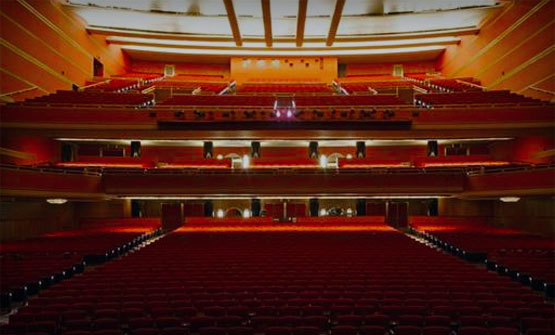
Stepping inside the Kansas City Music Hall is an experience in itself, transporting visitors to a bygone era of elegance and theatrical splendor. Opened specifically in 1936 within the larger Municipal Auditorium, this unique Art Deco theater was designed for a seamless and memorable patron experience.
One of its most striking features is the spectacular 3,600-square-foot foyer, adorned with original Art Deco lighting fixtures and leading to an impressive grand staircase. This space is not merely a waiting area but an architectural marvel, inviting guests to linger and admire the intricate details before a performance. The design ethos extends to its functionality as a totally self-contained venue, boasting its own lighted marquee, dedicated box office, main entrance, coat check, restrooms, and concessions. This thoughtful layout ensures that every aspect of a visitor's experience is convenient and integrated.
The seating capacity of the Music Hall totals 2,363, thoughtfully divided to offer varied viewing experiences: 1,185 seats in the Orchestra section for an immersive experience, 260 seats in the Loge and Box areas for a more intimate setting, and 918 seats in the Balcony offering panoramic views of the stage. Each section provides a distinct perspective, allowing patrons to choose their preferred way to enjoy the show.
Perhaps one of the most fascinating details connecting the Music Hall to Kansas City's broader architectural landscape is that its distinctive Art Deco lighting fixtures served as the direct inspiration for the iconic Sky Stations atop Bartle Hall’s four pylons. This subtle yet powerful link underscores the enduring influence of the Music Hall's design on the city's identity, making it a true source of civic pride and architectural lineage.
Beyond the Architecture: A Hub for World-Class Entertainment
While the architectural beauty of the Kansas City Music Hall is undeniable, its primary purpose has always been to host, entertain, and inspire. Since its inception, it has been Kansas City's premier destination for an eclectic array of events, drawing crowds from all corners of Missouri and neighboring Kansas. The Music Hall is particularly renowned for bringing the very best in live entertainment to the heartland.
Week after week, the stage of the Music Hall comes alive with touring Broadway shows, captivating theatrical events, and a diverse range of performances that cater to all tastes. From classic dramas and comedies to cutting-edge musicals and ballets, the programming at the Music Hall consistently delivers high-quality productions that rival those found in major cultural centers across the nation. The historic ambiance of the venue, with its stunning Art Deco backdrop, adds an extra layer of magic to every performance, making each visit an unforgettable experience that transcends mere entertainment.
The allure of seeing a grand Broadway production or a celebrated theatrical ensemble within such a magnificent, historically rich setting is a powerful draw. It transforms a typical evening out into a special occasion, where the artistry on stage is perfectly complemented by the artistic grandeur of the surroundings. For a deeper dive into the array of performances and why this venue is a must-visit for live event enthusiasts, be sure to check out Experience Broadway & Live Events at KC Music Hall.
Planning Your Visit: Tips for Experiencing the Kansas City Music Hall
To truly appreciate the Kansas City Music Hall, it's worth planning your visit strategically. Whether you're coming for a specific show or simply to admire the architecture, here are some tips to enhance your experience:
- Arrive Early for the Ambiance: Give yourself at least 30-45 minutes before showtime. This allows ample time to navigate parking, pick up tickets, and most importantly, soak in the grandeur of the 3,600-square-foot foyer and its magnificent staircase. Look for the intricate Art Deco details, the unique light fixtures, and the overall craftsmanship that defines the space.
- Study the Seating Chart: With 2,363 seats across Orchestra, Loge/Box, and Balcony sections, each offers a different perspective. Orchestra seats provide an immersive, close-up experience, while Balcony seats offer a sweeping view of the stage and the entire auditorium. Consider your preference when booking.
- Parking & Logistics: The Music Hall is conveniently located. Parking is often available in the Barney Allis Plaza garage, which ironically sits on the site where the original Convention Hall once stood before being torn down to make way for the new Municipal Auditorium. Check for event-specific parking advisories on the venue's website.
- Appreciate the Details: Beyond the main foyer, pay attention to smaller architectural elements throughout the venue—door handles, ventilation grates, and even the patterns on the walls. These subtle touches reinforce the Art Deco and Streamline Moderne aesthetic.
- Concessions & Amenities: As a self-contained venue, the Music Hall offers convenient concessions and ample restrooms. Familiarize yourself with their locations upon arrival to avoid rush during intermissions.
- Photography Etiquette: While you'll undoubtedly want to capture the beauty of the Music Hall, remember to be respectful. Photography during performances is generally prohibited. However, feel free to take photos of the interior and exterior before or after shows, mindful of other patrons.
By keeping these tips in mind, your visit to the Kansas City Music Hall will be more than just attending a show; it will be an engaging journey through history, art, and world-class entertainment.
The Kansas City Music Hall stands as a proud emblem of Kansas City's rich cultural heritage and its ongoing commitment to the arts. From its origins as a bold statement of civic improvement during the Great Depression to its current role as a premier host for Broadway shows and live events, it continues to enchant and inspire. Its Art Deco and Streamline Moderne architecture is not merely a backdrop but an integral part of the experience, inviting every visitor to step back in time while enjoying the best of contemporary entertainment. Discover its legacy, witness its beauty, and experience the magic that only the Kansas City Music Hall can offer.